Kale raw or cooked nutrition comes with a reputation for being one of the most beneficial foods you can place on your plate. People often hear that kale is a superfood, but the way it is prepared drastically affects what it delivers inside your body. A leafy green may seem simple, yet temperature, texture, and technique change how nutrients appear, are absorbed, and ultimately contribute to long-term health. This article explores how both raw and cooked kale influence digestion, immunity, energy, and more, helping you rethink how you enjoy this powerful vegetable.
Every method of preparing kale has supporters. Some argue that raw kale provides more enzymes and vitamins, while others highlight that cooking helps the body access nutrients that remain locked away in its sturdy leaves. As you explore what makes kale so unique, you will find that your personal health goals may guide whether raw salads or warm cooked dishes fit best. The important point is that understanding kale begins with how nutrition transforms when heat enters the story.
Whether massaged into a salad or simmered into soup, kale deserves a place in everyday meals. Knowing the strengths and weaknesses of each preparation helps maximize health benefits. Below, you will find seven complete reasons that reveal the detailed ways kale interacts with your body and how different cooking styles shape the nutrients you receive.
1 – Raw Kale and Digestive Enzymes
Kale raw or cooked nutrition becomes interesting when digestion is the focus. Raw kale contains natural enzymes that support the early stages of breaking down food, helping your system process nutrients more efficiently. These enzymes, along with higher levels of vitamin C in its uncooked state, assist in mineral absorption, particularly iron. Individuals aiming for strong immune function often choose raw kale because of these intact elements and the fresh burst of micronutrients they provide.
However, raw kale is also high in insoluble fiber, which can be challenging for some digestive systems to handle. People not used to raw vegetables may feel discomfort or bloating when eating large amounts. That does not diminish its value; it simply means that the body may need gradual adjustment or pairing with more easily digestible foods. Moderation is important so that raw kale supports comfort rather than creating discomfort.

2 – Cooked Kale Unlocks Key Nutrients
When comparing kale raw or cooked nutrition, heat significantly improves the availability of certain antioxidants. Cooking helps soften the cell walls of kale, releasing compounds like lutein and beta-carotene. These nutrients contribute to eye health and reduce stress caused by free radicals. For individuals focused on preventing long-term damage inside the body, gently cooked kale delivers advantages that raw leaves cannot match.
Despite these benefits, heat-sensitive nutrients such as vitamin C may decrease with cooking. This shift does not make cooked kale less valuable; it simply illustrates how changes in preparation alter nutritional priorities. A balanced diet might include both raw salads and cooked meals to ensure a wide range of benefits.
3 – Balancing Oxalates and Thyroid Considerations
Kale raw or cooked nutrition also involves discussion about oxalates and compounds that affect thyroid health. Raw kale contains goitrogens, which can interfere with iodine uptake when consumed in very large amounts. Cooking greatly reduces these compounds, helping people with thyroid concerns enjoy kale more comfortably. Heat transforms kale into a safer option for those who must watch their iodine levels closely.
The second perspective to consider involves oxalates, which are more active in raw leafy greens. These compounds can contribute to kidney stone development in susceptible individuals. Light steaming is enough to reduce oxalates, making cooked kale a friendlier choice for those advised to manage stone-forming minerals in their diet.
4 – Texture and Taste Influence Nutrition Choices
Kale raw or cooked nutrition provides more than chemistry; taste and mouthfeel shape how often people eat it. Raw kale can feel coarse and bitter, discouraging regular consumption. Simple steps like massaging the leaves, removing stems, or using dressings help break fibers and make it more appealing. When food tastes good, it becomes easier to maintain healthy habits over time.
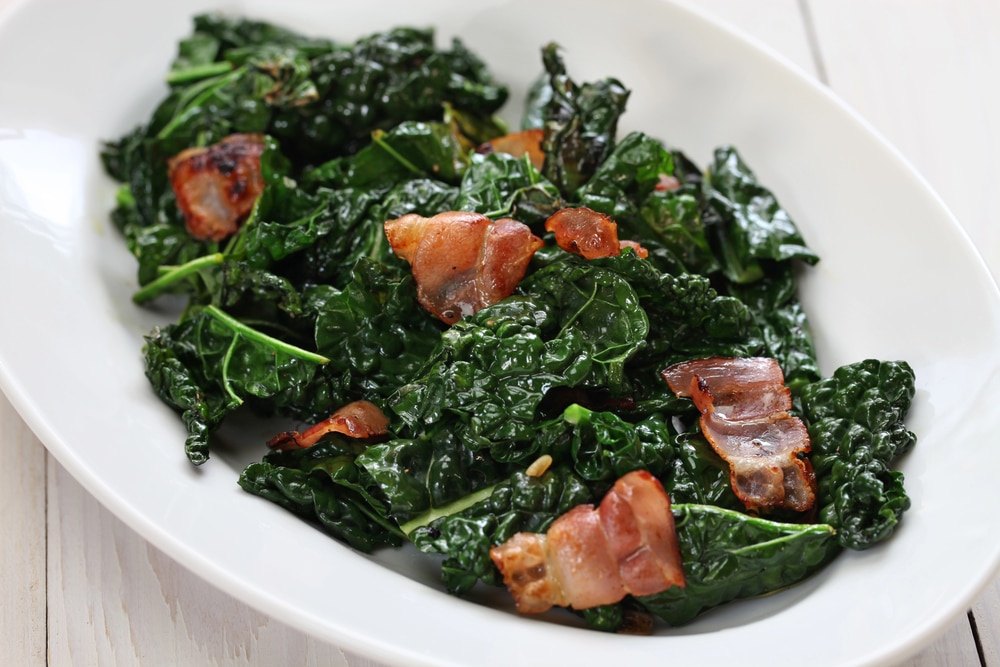
Cooking softens the structure, making kale suitable for soups, sautés, and casseroles. People often enjoy cooked kale more because warmth and seasonings mellow strong flavors. Enjoyment leads to consistency, and consistency determines how much nutrition enters your daily life.
5 – Calorie Density and Fullness
Comparing kale raw or cooked nutrition reveals that both forms maintain low calorie counts, a helpful trait for those seeking weight balance. Raw kale takes longer to chew and fills the stomach with fiber, promoting a strong sense of fullness. People trying to manage portions benefit from the volume that raw kale offers, making meals satisfying without excessive calories.
Cooked kale condenses as it loses water, meaning you can eat a much larger volume with the same calorie amount. This supports individuals who need higher nutrient intake without increasing energy consumption. The ability to enjoy more leafy greens in a smaller portion can help meet daily nutritional targets efficiently.
6 – Nutrient Pairing and Absorption
Heat preparation shifts kale raw or cooked nutrition when fats are added. Cooking kale with oils, nuts, or seeds encourages absorption of fat-soluble vitamins such as vitamin K and beta-carotene. Even a tiny amount of healthy fat can influence the body’s access to these nutrients. This makes cooked kale dishes highly strategic, especially when people aim for joint or heart protection where vitamin K plays a role.
Raw kale also benefits from nutrient pairings. When combined with citrus-based dressings, vitamin C supports iron uptake from plant sources. Making salads that include lemon or orange flavors can significantly increase the value of raw kale meals without altering the leaf itself.
7 – Food Safety and Health Conditions
Processing kale raw or cooked nutrition involves awareness of microbes present in unwashed produce. Raw kale must be cleaned thoroughly to avoid pathogens. People with weakened immunity may require extra caution when choosing raw vegetables. Cooking provides an additional safety layer by eliminating harmful organisms.
Still, raw kale remains completely safe for most individuals when washed correctly. Those without specific medical conditions can comfortably include salads and smoothies. Food choices should reflect personal health needs rather than one universal rule.
Cooking Methods Matter
Cooking can involve steaming, sautéing, or boiling, and each produces different outcomes. Steaming minimizes nutrient losses while still reducing fibers and goitrogens. Sautéing introduces healthy oils that support fat-soluble nutrient absorption. Boiling may cause nutrient leaching, especially into the cooking water, although using that liquid in soups retains nutrition rather than wasting it.
The best approach depends on what you want more of: retaining delicate vitamins, enhancing minerals, or improving digestibility. Understanding how heat interacts with kale transforms casual cooking into strategic nourishment.
A Role for Raw in Healthy Routines
Raw kale brings a bright and vigorous addition to diets emphasizing fresh produce. Those seeking sharper tastes and high vitamin access often enjoy raw salads or blended beverages. Experimenting with seasonings and other ingredients helps unlock its potential for convenience and variety. Small and regular servings gently introduce its nutritional strength to bodies adjusting to more fibrous foods.
Rotating raw kale with other vegetables ensures a wide spectrum of protective compounds while spreading the digestive load. People often find that the more flavors they try, the easier it is to keep healthy eating enjoyable and frequent.
Balance Leads to Better Habits
Choosing kale involves more than selecting raw or cooked. Combining both forms throughout the week ensures a broader intake of vitamins, minerals, antioxidants, and supporting compounds. A flexible approach offers protective benefits from different sources without forcing one strict routine. Balance leads to sustainability, letting healthy eating feel accessible instead of restrictive.
Over time, listening to digestion, comfort, and preference guides personalized nutrition choices. When eating kale becomes part of a lifestyle instead of a brief experiment, its influence on health grows steadily.
Practical Tips for Daily Meals
Pair kale with foods that enhance its strengths. Citrus aids iron absorption in raw salads, while olive oil supports carotenoids in cooked dishes. Small steps like chopping the leaves finely, removing thick stems, or blending into a sauce improve both enjoyment and nutrient access. Healthy eating becomes smooth when vegetables fit easily into regular recipes.
Planning meals around versatility keeps kale interesting. Breakfast omelets, midday smoothies, and evening stir-fries demonstrate how a single ingredient can appear multiple times a day without repetition. Connection to familiar dishes makes change easier and progress more stable.
Your Personal Nutrition Strategy
Every body responds differently to foods, including kale. Paying attention to energy levels, digestion, and satisfaction allows you to tailor how you prepare it. Some people thrive on the crisp texture of raw kale, while others feel nourished by warm cooked versions. Neither choice is incorrect; each supports wellness in different ways.
Confidence grows when food choices follow understanding. Kale becomes more valuable when you know how to unlock its strengths rather than relying on general claims. That empowerment makes daily nutrition a positive and thoughtful experience.
References
Meta Descriptions (choose one)
Fresh and informative tone:
Kale raw or cooked nutrition explained through 7 complete reasons that reveal how preparation changes health benefits, digestion, and nutrient availability.
Scientific and authoritative tone:
Learn how kale raw or cooked nutrition shifts nutrient bioavailability, enzyme activity, and safety factors, supported by evidence-based guidance and research.
Friendly and motivational tone:
Kale raw or cooked nutrition isn’t complicated. These 7 complete reasons help you enjoy your greens your way while boosting everyday health.
Short and persuasive tone:


