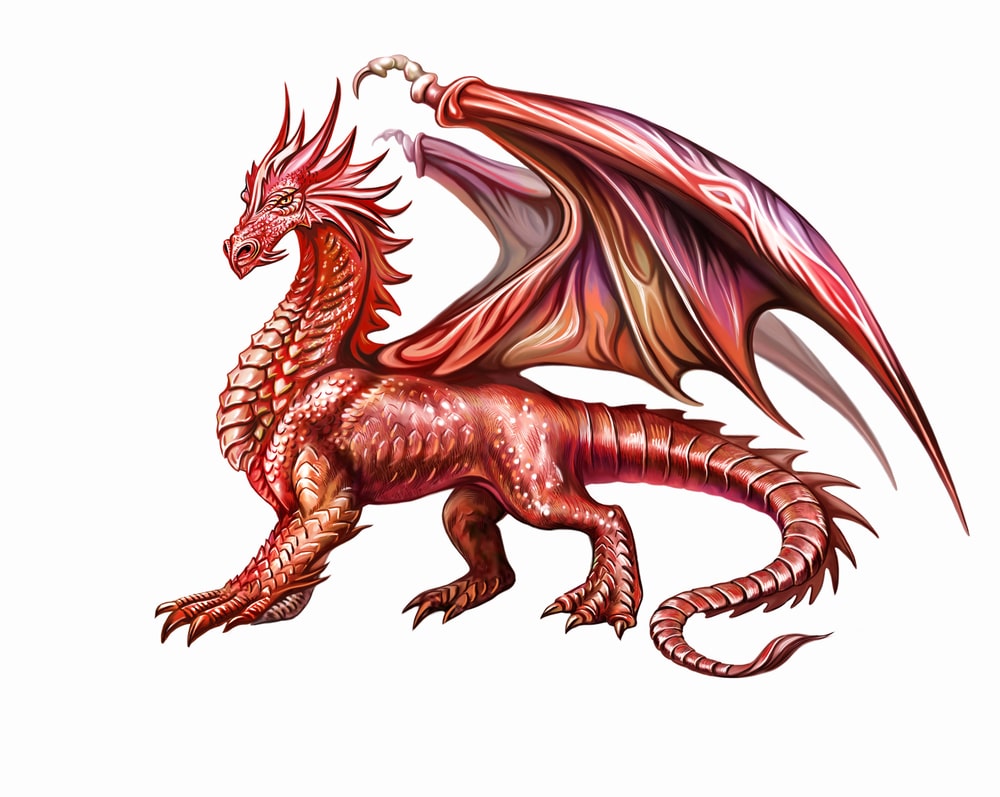

How to draw a dragon is both an imaginative challenge and a rewarding creative journey. The process is not only about shapes and lines but also about storytelling, emotion, and world-building. Dragons are mythic creatures with endless variations, giving you creative freedom to invent anatomy, texture, personality, and dramatic action.
Before you begin, it’s helpful to approach the artwork as stages. Each step refines the character, improves the structure, and brings more life to the creature. By the time you reach the final touches, the dragon will have emerged from faint guidelines into a vivid creation that looks powerful and believable. With the right guidance, you will feel confident exploring these fantasy designs.
click hereto watch1 – Gathering Your Tools
How to draw a dragon begins with simple and reliable art materials that make the sketching and refining process comfortable. Pencils with different softness levels allow you to build structure lightly, then emphasize darker lines later. An eraser is essential for adjusting anatomy as the creature evolves. Paper with a slight tooth gives structure to the lines and prevents smudging too quickly.
A comfortable workspace keeps your hand movements relaxed and steady. Good lighting prevents shadows from obscuring details while you refine the wings, tail, and claws. Whether you choose a digital tablet or traditional pencil tools, preparation helps reduce interruptions as ideas flow onto the page.
2 – Visualizing the Dragon
Imagine a vivid personality and purpose as you consider How to draw a dragon within your unique fantasy world. Will the creature be fierce, ancient, graceful, or reptilian? Conceptualizing temperament early influences body shape, pose, and even facial features.
Try writing a sentence about the dragon’s role: guardian, explorer, villain, or wise companion. This mental foundation turns a generic design into a character with intention. Sketch loose thumbnails to explore silhouettes, experimenting with wingspan, horn shapes, and tail variations until one direction feels right.
3 – Sketching Basic Shapes
A light guideline helps anchor proportions when deciding How to draw a dragon in its initial stage. Circles, ovals, and flowing lines define the torso, spine, head position, and limbs, serving as the creature’s invisible skeleton.
Think of the body as a living machine with balance and weight. Stretch a center line along the back to ensure flow. Choose leg positions that support believable stance or flight. These simple shapes allow big corrections early without sacrificing confidence later.
4 – Building the Head Structure
Adding landmarks for snout length, jaw structure, and horn placement is key to How to draw a dragon as a creature with personality. A dragon’s head can be narrow and snake-like or bulky like a dinosaur, depending on your concept.
Refine around the guidelines to define cheekbones, brow ridges, and nostril direction. Leave space for expressive eyes — stern, curious, or ancient. Small adjustments at this stage strongly affect the final emotional impact.
5 – Designing the Body and Pose
When shaping the torso and tail for How to draw a dragon, keep the spine lithe and flexible so the creature feels dynamic rather than stiff. Think of the dragon in motion, twisting or coiled like a serpent or braced with power like a big cat.
Every pose communicates intention. Highly arched wings suggest intimidation. A curved tail adds tension. Check the posture by temporarily covering the head to see if the body alone still conveys action. Strong gesture lines make a sketch feel alive.
6 – Crafting the Wings
Lightly mark the wing bones and membranes as you continue How to draw a dragon with believable anatomy. The most convincing wings resemble bat wings: long finger bones supporting thin, stretchy membranes.
Consider whether the creature’s wings look aerodynamic enough to support flight. Large dragons need immense wingspans for lift. Connect the wings smoothly to shoulder muscles so they appear powerful rather than glued on. Smooth, confident lines define elegance.
7 – Shaping Limbs and Claws
Add depth to forelimbs and back legs by observing real animals while practicing How to draw a dragon in motion or resting. Strong shoulder joints and thick thighs suggest strength, while thinner anatomy expresses speed.
Add claws last to avoid exaggeration too early. Ensure joints bend in the right directions. A dragon that can perch, pounce, or climb becomes more convincing. Allow asymmetry to avoid stiffness, making each limb a little different.
8 – Adding Scales and Skin Texture
Surface texture influences realism when applying How to draw a dragon in a detailed stage. Scales can be small and lizard-like, arranged in rows, or large armored plates forming defense over ribs and neck.
Texture should follow body curves. Lightly suggest scales rather than drawing every single one, especially on areas farther from focus. Vary thickness where the skin stretches or compresses. Smooth areas on wings provide contrast and visual interest.
9 – Drawing Eyes and Facial Expression
Emotion becomes vivid when refining how to draw a dragon eyes in harmony with its personality. A wider iris can look gentle, while slitted pupils suggest predatory instinct. Tiny highlights in the eye make the creature appear sentient.
Small wrinkles around eyelids and the angle of eyebrows shape mood — stoic, angry, or wise. Expressions can tell a story without words. Visual storytelling helps viewers connect with the character behind the scales.
10 – Enhancing with Shadows
Depth appears when using shading as part of how to draw a dragon during rendering. Shading indicates muscle weight, light direction, and three-dimensional form, making the dragon feel grounded instead of flat.
Observe where light would naturally hit: the top of the wings, ridges, and jawline. Darken recesses: under the belly, between claws, and beneath scales. Gradual shadow transitions prevent harshness unless dramatic lighting is desired.
11 – Fire and Motion Effects
Flames swirling from the jaws are an exciting addition while continuing how to draw a dragon that breathes heat and power. Use bright, flowing strokes that curl and expand to suggest movement and heat distortion.
Motion can also come from background lines bending with speed or swirling dust beneath landing claws. Effects must support the character rather than distract. Directional highlights near fire add brightness and danger.
12 – Final Touches and Style
Completing the illustration involves subtle polish that maintains focus on how to draw a dragon without overwhelming details. Strengthen important linework around the head and claws, soften less important areas like the belly to keep attention where it matters.
Signature visual flourishes make your artwork unique. You may prefer a sleek, elegant look or a jagged, armored creature. Choosing colors that reflect mood — fiery reds, earthy greens, or mysterious blues — allows creativity to shine just as brightly as technique.
References (clickable)
The Visual Evolution of Mythical Creatures


