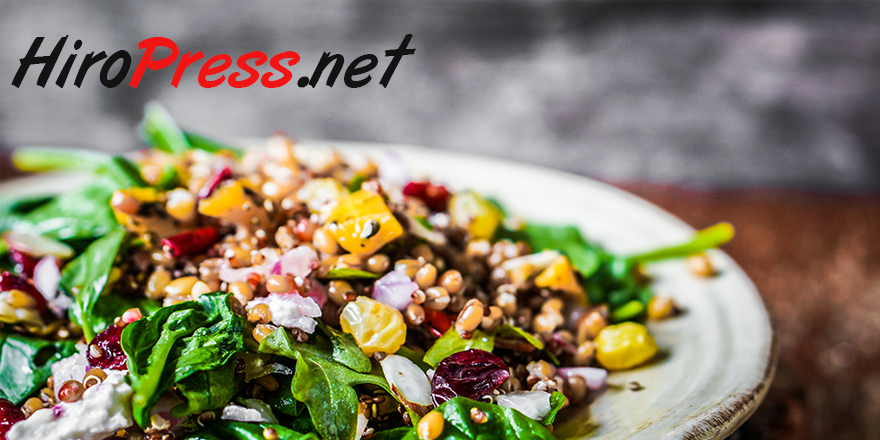

Vegetarian keto diet approaches eating through a plant-forward lens while still emphasizing extremely low carbohydrate intake, prioritizing healthy fats, and maintaining moderate protein intake. This lifestyle has become a compelling option for people who want the benefits of ketosis without relying on animal meats. It blends ethical food choices, metabolic science, and nutritional creativity into a daily routine designed to improve energy, sharpen cognitive performance, and support body-composition goals. By understanding how to assemble meals, balance macros, and avoid common nutrient gaps, anyone can build a long-term strategy that works.
Achieving sustainable success means moving beyond food lists and truly learning how the metabolic shift toward using fat as fuel supports good health. It also means solving practical challenges like eating outside the home, maintaining social flexibility, and optimizing micronutrient intake. The following 12 sections provide a clear roadmap.
1 – Building a Strong Nutritional Foundation
Vegetarian keto diet success begins with understanding that carbohydrates must remain very low (generally 20–50 grams per day), while fats take center stage. Meals typically feature nuts, seeds, avocados, coconut products, low-carb vegetables, eggs (if allowed), and plant-based protein sources that fit within carb limits. Instead of counting calories, the focus shifts toward maintaining macro balance that supports ketosis.
A clear foundation also means learning portion awareness and understanding which foods may seem healthy but disrupt ketosis, such as starchy vegetables or sugary fruits. Starting with a structured food list makes grocery shopping easier and avoids early frustration.
2 – Prioritizing High-Quality Fats
Finding the right fat sources is essential. Foods like olives and olive oil bring monounsaturated fats that support heart health. Coconut oil and full-fat coconut milk provide medium-chain triglycerides, which are efficiently converted to ketones. Nuts and seeds add valuable omega fatty acids and satisfying textures to meals.
Rotating fat sources keeps meals interesting and encourages wider nutrient diversity. With time, most people learn what feels most energizing while also supporting digestion and taste preferences.
3 – Choosing Plant-Forward Protein Sources
The vegetarian keto diet requires special attention to protein because many typical plant proteins contain carbohydrates. Tofu and tempeh offer versatility and strong protein content. Low-carb protein powders, particularly those made from pea or rice protein blends, can help fill gaps. Eggs, if part of the chosen vegetarian style, remain one of the most nutritionally complete options.
Planning ahead prevents accidental carbohydrate overages. Combining protein with fats like avocado or nut-based sauces creates satisfying meals that reduce snacking urges and maintain glucose stability.
4 – Staying Within Carb Limits Without Feeling Restricted
A vegetarian keto diet encourages creativity with low-carb vegetables such as leafy greens, zucchini, cauliflower, cucumbers, and mushrooms. These foods support gut health and provide necessary fiber while avoiding spikes in blood sugar. They also help maintain meal volume and satisfaction.
Spices, herbs, and calorie-free flavor boosters allow for gourmet-style dishes without changing macro targets. When meals feel indulgent and beautifully seasoned, mindset and motivation remain strong.
5 – Supplementing Key Micronutrients
Healthy outcomes on any vegetarian keto diet depend on maintaining adequate intake of micronutrients that can be harder to obtain without meat. Vitamin B12, iron, zinc, calcium, and omega-3 fatty acids often require close attention. Supplements or fortified foods can fill remaining gaps.
Bloodwork check-ins help track personal needs. No two bodies absorb nutrients in exactly the same way, and customizing supplementation supports long-term well-being.
6 – Embracing Meal Planning and Batch Cooking
Structured planning makes a vegetarian keto diet easier to follow during busy schedules. Weekly batch preparation of sauces, cooked vegetables, nut mixes, and egg-based dishes provides ready-to-eat choices that reduce reliance on high-carb convenience foods.
Planning also reduces food waste and saves money, creating positive reinforcement that encourages long-term habit formation. More variety can be introduced as confidence grows.
7 – Eating Out With Confidence
Adapting a vegetarian keto diet to restaurants becomes simpler by focusing on whole-food dishes. Customizing orders such as salads without sugary dressings or bowls built around non-starchy vegetables helps maintain ketosis. Many cafes offer avocado additions or nut-based sauces that elevate both flavor and fat content.
Social flexibility keeps the lifestyle enjoyable. When dining occasions feel inclusive rather than restrictive, the diet becomes a natural part of life rather than a short-term experiment.
8 – Managing Cravings and Emotional Eating
As the vegetarian keto diet encourages fat metabolism, cravings for sweets and refined carbs typically decline. Still, emotional eating can surface during stressful periods. Keeping keto-friendly treats like dark chocolate with minimal sugar or fat-rich snacks can help redirect old habits.
Mindfulness practices assist with identifying hunger versus emotions. When coping strategies shift toward supportive, non-food-based options, long-term adherence improves dramatically.
9 – Tracking Personal Progress
Each person’s journey with a vegetarian keto diet is unique, so tracking metrics helps tailor adjustments. Measurements such as waist circumference, energy levels, sleep quality, and mental clarity often provide more meaningful insight than just scale weight. Some choose to measure ketone levels using breath or blood monitors.
Celebrating incremental wins boosts confidence. Regular review prevents plateaus by encouraging timely tweaks to meal composition or activity levels.
10 – Balancing Gut Health
Fiber from low-carb vegetables, chia seeds, and psyllium husk plays an important role in maintaining healthy digestion on a vegetarian keto diet. Fermented foods like kimchi, low-carb yogurt alternatives, and sauerkraut support beneficial gut bacteria.
Hydration and electrolytes such as magnesium, potassium, and sodium are also vital for comfort. Preventing constipation and fatigue helps maintain both enthusiasm and consistency.
11 – Maintaining Sustainability for the Long Term
A vegetarian keto diet becomes truly effective when it transitions from a temporary project to a sustainable lifestyle. Flexibility, positive mindset, and meal satisfaction all contribute to longevity. Understanding why the diet supports personal goals fuels motivation to continue through holidays, travel, and busy seasons.
Sustainability also means evolving with life changes. Adjusting foods, timing, or supplementation ensures that nutrition stays aligned with age, activity level, and personal health evolution.
Encouraging a Healthy Relationship With Food
Building lifelong balance begins with appreciating food as nourishment rather than struggle. A flexible mindset allows the vegetarian keto diet to adapt rather than feeling like a rigid rulebook. When eating becomes a source of empowerment and enjoyment, positive health outcomes naturally follow.
Gentle self-assessment helps identify what supports progress versus what causes stress. Health is a long-term partnership between body, mind, and daily habits, and this dietary approach can be a meaningful part of that journey.
References
Academy of Nutrition and Dietetics: Micronutrients in Vegetarian Diets
https://www.eatright.org/health/wellness/vegetarian-and-vegan-diets/vegetarian-diets-and-nutrition


