
Define direct democracy is a term often associated with ancient practices and modern aspirations, yet its meaning sparks debate among scholars, citizens, and policymakers alike. The concept challenges long-established political structures by placing decisive power directly into the hands of the people rather than elected representatives. Some view it as the purest form of democracy, while others worry it creates instability, impulsive decisions, or control by the loudest minority. Understanding what it truly means requires examining how it functions, why it divides opinion, and what implications it carries for governance in an interconnected world.
Throughout history, societies have experimented with direct political involvement in many ways, from town meetings to national referendums. Today, digital tools make this form of participation more possible than ever, renewing interest in transforming how decisions are made. Beneath the promise of empowerment, however, lies a complex web of practical challenges. Exploring both sides of the divide helps clarify whether putting power directly in the people’s hands strengthens democracy or threatens it.
1 – Core Meaning And Foundation
Define direct democracy describes a system where the people vote on laws and governmental decisions without intermediaries. Unlike representative democracy, where officials make choices on behalf of citizens, this approach insists that individuals should express their will directly on issues that affect society. It seeks to eliminate the distance between government and governed, offering a direct link between public opinion and lawmaking.
Its foundation lies in the idea that authority should originate from collective consent, not from delegated figures who may misinterpret or manipulate the public will. Proponents often argue that direct involvement motivates civic engagement and heightens accountability, but skeptics fear it oversimplifies complex decision-making.
2 – Historical Origins
Ideas similar to define direct democracy first appeared in ancient city-states, particularly classical Athens. Citizens participated directly in assemblies, shaping war policies, laws, and social rules. Centuries later, certain Swiss cantons adopted public gatherings known as Landsgemeinde, where eligible participants raised hands to approve or reject proposals.
While these historical examples inspire modern advocates, they existed in small populations with limited citizenship, meaning the notion of universal participation is a relatively recent addition to the concept.
3 – Modern Referendums
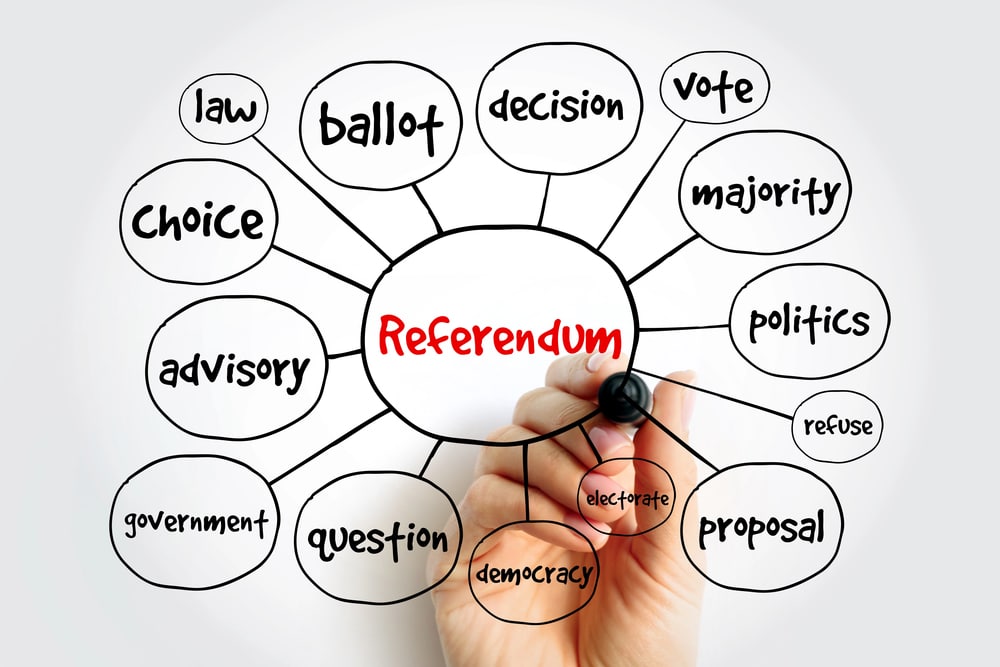
In many countries, citizens now vote directly on specific issues through referendums that reflect elements of define direct democracy. Governments use these tools to confirm national choices, including constitutional reforms, independence decisions, or contentious social policies. Supporters believe referendums provide clarity on public will when representatives hesitate or disagree.
However, critics point to campaigns marked by misinformation, emotional messaging, and simplified narratives. These risks suggest that direct voting requires strong educational and informational safeguards to function responsibly.
4 – Initiative Processes
Several regions enable citizens to propose laws directly, demonstrating another form of define direct democracy. Petition requirements and signature thresholds ensure that only widely supported ideas reach public ballots, forcing policymakers to consider citizen priorities.
Yet some argue that initiatives can be exploited by well-funded groups able to gather support through marketing rather than genuine grassroots demands. The process may empower voters, but it can also amplify organized interests.
5 – Recall Mechanisms
Some governments include recall elections connected to define direct democracy, allowing voters to remove officials who lose public trust before their term ends. This tool promises accountability and prevents abusive or negligent leadership from remaining in power.
Opponents fear recalls can undermine stability, encouraging constant political conflict and short-term decision-making. If leaders worry about popularity rather than policy effectiveness, long-term governance may suffer significantly.
6 – Digital Participation
Digital communication invites new possibilities for define direct democracy by allowing citizens to vote quickly and frequently on wide-ranging issues. Online platforms could streamline engagement, reduce costs, and remove geographic barriers while enabling real-time interaction with policymaking.
However, concerns over data privacy, cybersecurity, and unequal access to technology complicate the ideal. Without secure and fair digital infrastructure, online participation may distort rather than reflect authentic public sentiment.
7 – Education And Awareness
Advocates claim define direct democracy motivates people to learn more about public matters because they know their votes shape outcomes. Increased awareness could reduce apathy and strengthen democratic culture, particularly among younger populations.
But education levels differ widely, and complex legislation requires careful study. If large groups vote without understanding consequences, decision quality may fall, raising fears that the majority can unintentionally harm itself.
8 – Minority Rights And Equity
The practice of define direct democracy raises concerns about majority rule overshadowing minority protections. When decisions rely purely on popular votes, minority groups may see vital rights reduced to outcomes of political competition.
Safeguards such as constitutional guarantees and judicial review usually attempt to balance these pressures. Yet the tension persists: should the people decide everything, or must certain protections remain beyond majority reach?
9 – Economic And Social Influence
Economic powers can shape outcomes in systems connected to define direct democracy by financing campaigns, advertisements, and lobbying efforts designed to sway public perception. Wealthier interests may overpower smaller voices in shaping major decisions.
Supporters respond that transparency requirements and campaign spending limits can preserve fairness. Still, the risk of unequal influence remains one of the most cited criticisms from political scientists observing these processes.
10 – Speed Of Decision-Making
Governments relying on define direct democracy can react quickly to urgent public demands, bypassing lengthy legislative debates. Citizens can approve new measures or overturn unpopular policies in shorter timeframes.
On the other hand, speed may come at the expense of thorough analysis. Rapid shifts in public opinion can lead to inconsistent laws or unintended effects, making long-term planning difficult for institutions responsible for stability.
11 – National Identity And Participation
Because define direct democracy emphasizes inclusive involvement, it may strengthen a nation’s identity by giving people a direct stake in governance. Public satisfaction can rise when citizens feel their voices matter in shaping laws.
Yet intense public involvement also heightens political divides. Strong feelings about national direction can bring communities together or pull them apart, depending on how debates unfold and how results are received.
Expanding Future Possibilities
Future enhancements to define direct democracy may involve blending representative systems with increased direct participation, creating a hybrid that balances expertise and public will. Improved civic education, transparent digital tools, and inclusive participation could reduce risks and expand benefits.
Many believe society will continue testing new methods that bring voters closer to governmental processes. Whether these improvements create harmonious governance or deepened polarization will depend on thoughtful implementation.


